Lith Corporation, founded in 1998 by a group of material science doctor from Tsinghua University, has now become the leading manufacturer of battery lab&production equipment. Lith Corporation have production factories in shenzhen and xiamen of China.This allows for the possibility of providing high quality and low-cost precision machines for lab&production equipment,including: roller press, film coater,mixer, high-temperature furnace, glove box,and complete set of equipment for research of rechargeable battery materials. Simple to operate, low cost and commitment to our customers is our priority.
What is a Car Battery Fabrication Plant?
A Car Battery Fabrication Plant refers to a fullscale manufacturing facility where battery cells, modules, and packs for electric vehicles (EVs) are designed, built, and assembled. This type of plant typically represents the final stage of battery development, following laboratory research and pilotscale testing. It is optimized for highvolume production, efficiency, quality control, and integration into automotive platforms.
These plants can vary widely in size—from midsized gigafactories producing hundreds of megawatthours (MWh) per year, to massive facilities capable of gigawatthour (GWh) output, serving millions of EVs annually.
The main goal of a car battery fabrication plant is to turn raw materials and validated processes into safe, reliable, highperformance battery systems ready for installation in electric cars.
Key Objectives of a Car Battery Fabrication Plant
1. Mass Production of Battery Cells
Manufacture thousands to millions of individual cells daily
Ensure consistency, reliability, and safety at scale
2. HighQuality Module and Pack Assembly
Integrate cells into modules and full battery packs
Install cooling systems, brackets, sensors, and battery management systems (BMS)
3. Process Automation and Efficiency
Use robotics and AIdriven systems to optimize throughput
Minimize waste and maximize yield rates
4. Quality Assurance and Testing
Perform 100% inspection of critical components
Conduct electrical, mechanical, and environmental tests
5. Integration with Vehicle Platforms
Customize pack designs for specific car models
Coordinate with OEMs on thermal management, packaging, and software interfaces
6. Sustainability and Recycling Readiness
Incorporate ecofriendly materials and energyefficient processes
Design for endoflife recycling and secondlife applications
7. Scalability and Flexibility
Adapt quickly to new chemistries (e.g., solidstate, sodiumion)
Support future product lines and global expansion plans
Core Stages in a Car Battery Fabrication Plant
1. Material Preparation and Slurry Mixing
Industrialscale mixing of cathode and anode materials
Precise blending of active materials, binders, solvents
Quality checks on viscosity, solids content, and particle distribution
2. Electrode Coating and Drying
Continuous coating of electrode slurries onto metal foils (copper for anodes, aluminum for cathodes)
Highspeed drying ovens remove solvents under controlled conditions
Thickness and uniformity monitored using laser sensors and machine vision
3. Electrode Calendering and Slitting
Press electrodes to desired density and thickness
Cut them into precise widths for cell assembly
4. Cell Assembly
This varies depending on the cell format:
Cylindrical: Winding of electrodes and separator, insertion into steel cans
Pouch: Stacking of electrodes and separator, sealing in aluminumlaminated pouches
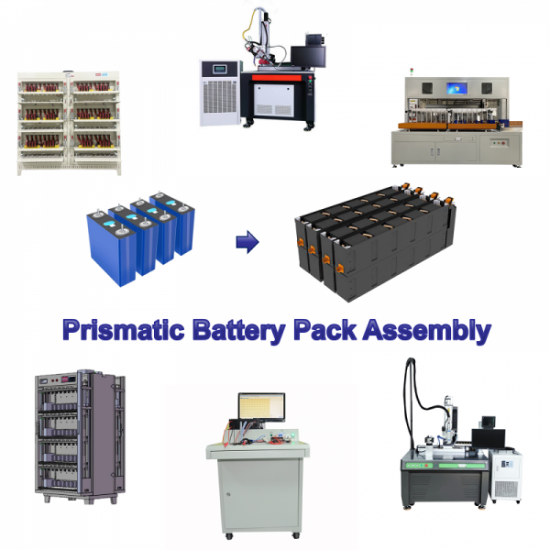
Prismatic: Similar to pouch but housed in rigid metal casing
All assembly must occur in dry rooms with dew point below –40°C to prevent moisture contamination.
5. Electrolyte Filling and Sealing
Inject liquid electrolyte into each cell
Hermetically seal the cell to prevent leakage
Maintain strict cleanliness standards to avoid impurities
6. Formation and Aging
First charge ("formation") activates the electrochemical system
Cells undergo initial charge/discharge cycles to stabilize performance
Data collected to classify and sort cells by capacity and resistance
7. Final Testing and Grading
Full characterization of electrical performance
Sorting based on metrics like internal resistance, cycle life, and selfdischarge
Defective or underperforming cells rejected
8. Module and Pack Integration
Cells grouped into modules with interconnects and structural supports
Modules assembled into complete battery packs
Cooling plates, BMS hardware, and connectors installed
9. EndofLine Testing
Final functional tests including:
Electrical continuity
Voltage balance across cells
Thermal behavior during simulated driving
Communication with vehicle BMS
Leak testing, insulation checks, and mechanical robustness verification
10. Packaging and Shipment
Battery packs packed in protective crates
Labeled and tracked via digital systems
Shipped directly to vehicle assembly lines or service centers
Prismatic Cell Assembly Line
Supporting Systems in a Car Battery Fabrication Plant
To ensure smooth, safe, and efficient operations, several critical support systems are integrated:
1. Clean and Dry Rooms
Maintain ultralow humidity (<1% RH) for sensitive processes
Air filtration and pressure control prevent contamination
2. Fire Suppression and Safety Systems
Specialized fire suppression in solvent handling and testing zones
Gas detection and emergency ventilation systems
3. Waste Management and Solvent Recovery
Solvent recovery units reduce environmental impact
Proper disposal of hazardous chemicals and waste materials
4. Digital Manufacturing Execution System (MES)
Realtime monitoring of all production steps
Traceability from raw materials to final shipment
Predictive maintenance and process optimization tools
5. Energy and Sustainability Infrastructure
Renewable energy sources (solar, wind)
Energyefficient HVAC, lighting, and machinery
Water recycling and closedloop cooling systems
6. Logistics and Supply Chain Integration
Justintime delivery of raw materials
Automated storage and retrieval systems (AS/RS)
Coordination with vehicle OEMs for justinsequence (JIS) delivery
Types of Car Battery Fabrication Plants
Depending on ownership, technology focus, and market strategy, fabrication plants come in various forms:
1. OEMOwned Gigafactories
Built by automakers to secure battery supply
Example: Tesla Gigafactory Nevada, Lucid Arizona, BMW South Carolina
2. Battery Manufacturer Facilities
Operated by companies like CATL, LG Energy Solution, BYD, Panasonic
Serve multiple OEMs globally
3. Joint Venture Plants
Collaborations between automakers and battery suppliers
Example: Ford + CATL, Stellantis + Samsung SDI, MercedesBenz + ACC
4. Startup and New Entrant Plants
Built by emerging battery companies entering the market
Often supported by venture capital or government grants
Example: Factorial, QuantumScape, SVOLT
5. Publicly Funded or National Battery Hubs
Governmentbacked facilities to build local battery ecosystems
Example: Northvolt Sweden, ACC France, Enovix USA
Leading Countries and Companies in Car Battery Fabrication
Top Countries Investing in Battery Fabrication:
China – Largest number of gigafactories and battery exports
United States – Rapid growth driven by Inflation Reduction Act (IRA)
Germany – Strong industrial base and EU battery strategy
South Korea – Home to toptier battery manufacturers
Sweden, France, Canada, India, UK – Growing investments in local production
Major Players:
CATL (China) – World’s largest battery supplier
BYD (China) – Produces both batteries and EVs
LG Energy Solution (South Korea) – Supplies major global OEMs
Panasonic (Japan) – Longterm partner of Tesla
Northvolt (Sweden) – Sustainable European battery leader
ACC (France) – European joint battery initiative
Tesla (USA) – Fully vertically integrated battery and vehicle production
Benefits of a Car Battery Fabrication Plant
Supports largescale adoption of electric vehicles
Reduces dependency on foreign battery supply chains
Enables localization of jobs and innovation
Drives down battery costs through economies of scale
Accelerates transition to clean mobility and energy independence
Facilitates reuse and recycling of valuable materials
Need Help Designing or Optimizing Your Car Battery Fabrication Plant?
If you're looking to build, expand, or optimize your car battery fabrication plant, I can help you with:
Factory layout and process flow design
Equipment selection and automation strategy
Dry room engineering and HVAC systems
MES implementation and data infrastructure
Sustainability planning and energy efficiency
Cost modeling and ROI analysis
Compliance, safety, and permitting guidance
All you need to do is provide the following information:
Battery chemistry and cell format (e.g., NMC, LFP, cylindrical, pouch, prismatic)
Target annual production capacity (e.g., 1 GWh–100 GWh/year)
Plant location and available infrastructure
Level of automation and digitalization desired
Current team expertise and strategic goals


 Online service
