Lith Corporation, founded in 1998 by a group of material science doctor from Tsinghua University, has now become the leading manufacturer of battery lab&production equipment. Lith Corporation have production factories in shenzhen and xiamen of China.This allows for the possibility of providing high quality and low-cost precision machines for lab&production equipment,including: roller press, film coater,mixer, high-temperature furnace, glove box,and complete set of equipment for research of rechargeable battery materials. Simple to operate, low cost and commitment to our customers is our priority.
Car Battery Manufacturing: A Comprehensive Introduction to Modern Production Equipment
Overview
Car battery manufacturing refers to the specialized systems, machinery, and automated technologies used to produce automotive batteries—primarily leadacid, AGM, EFB, and increasingly, lithiumion power batteries. As the automotive industry expands toward electric and hybrid vehicles, the demand for advanced, reliable, and highefficiency battery production equipment continues to grow. Modern car battery manufacturing combines precision material handling, digital monitoring, automated assembly, and strict quality control to ensure batteries deliver stable performance, high capacity, and long service life under demanding vehicle conditions.
Features of Car Battery Manufacturing Equipment
1. High Automation and Process Integration
Modern manufacturing systems integrate plate production, assembly, electrolyte filling, charging, formation, and testing into a seamless automated line. This reduces human error, improves consistency, and increases throughput for largescale automotive battery production.
2. Robust Material Handling Systems
Car battery units are heavy and require durable conveyors, robotic arms, and lifting mechanisms designed to handle plates, separators, grids, and casings without deformation or contamination.
3. Precision Control Technology
Equipment includes advanced sensors for monitoring temperature, voltage, aeration rate, paste thickness, electrolyte density, and pressure. This ensures every battery meets strict automotivegrade specifications.
4. Quality and Safety Integration
Battery manufacturing must comply with safety standards such as ISO, UL, and automotive reliability certifications. Systems incorporate leak detection, shortcircuit testing, and automated visual inspection to ensure safe operation.
5. Adaptability to Multiple Battery Types
Car battery manufacturing lines can be configured to produce leadacid, AGM, EFB, or lithiumion variants. Flexible tooling and programmable control systems allow manufacturers to switch production models quickly based on market demand.
Car Battery Manufacturing Process
The production of automotive batteries consists of advanced material processing and multistep automated assembly:
1. Grid Casting and Past Preparation
For leadacid batteries, lead grids are cast or expanded and then coated with active material paste. In lithiumion systems, electrode coating lines apply slurry to aluminum and copper foils. Proper paste formulation and coating uniformity determine battery capacity and longevity.
2. Plate Curing and Formation
The pasted plates undergo curing to bond the active materials. In lithiumion production, this is replaced by electrode drying and calendaring to achieve targeted density and porosity.
3. Cell Assembly
Components are stacked or wound, depending on design. Separators, plates, and terminals are assembled into modules or monoblock cases. Robotic stations ensure alignment with micrometerlevel accuracy.
4. Electrolyte Filling
Automated filling systems inject sulfuric acid (for leadacid) or organic electrolyte (for lithiumion). Precision filling ensures cell balance and stable internal reactions.
5. Formation Charge
Battery formation is a critical step where cells undergo controlled charging cycles. This completes the chemical activation process, forming stable active materials. Intelligent chargers manage voltage and current curves while monitoring temperature and resistance.
6. Sealing, Inspection, and Packaging
After formation, batteries are sealed, cleaned, and subjected to performance tests—capacity, internal resistance, cold cranking amps (CCA), leak detection, and vibration resistance. Qualified units proceed to automated packaging stations.
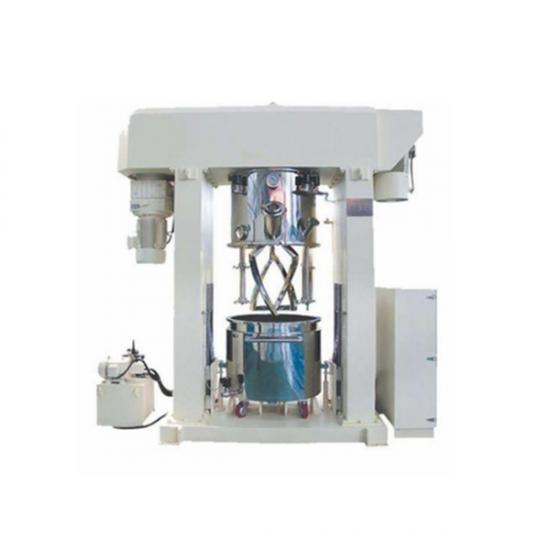
Battery Slurry Mixing
Applications
Car battery manufacturing equipment is used across various sectors:
1. Automotive OEM and Aftermarket Suppliers
Used for producing starter batteries, hybrid car batteries, and traction batteries for EV manufacturers.
2. Battery R&D and Pilot Production
Laboratories and pilot plants utilize scaleddown versions of car battery manufacturing lines to test new materials, electrolyte formulas, and structural designs.
3. Industrial Power and Energy Storage Facilities
Manufacturers supplying industrial vehicles, forklifts, and microgrid energy storage often rely on car battery production technology.
4. Remanufacturing and Recycling Centers
Advanced equipment is used for dismantling, inspecting, and rebuilding battery systems in environmentally efficient ways.
Advantages of Modern Car Battery Manufacturing Equipment
1. High Productivity and Cost Efficiency
Automation significantly lowers labor costs while increasing production capacity and reducing human error.
2. Improved Battery Quality and Reliability
Precision metering, realtime monitoring, and standardized processes ensure stable performance and longer service life, meeting automotivegrade requirements.
3. Enhanced Safety Systems
Builtin safety protocols prevent short circuits, leakage, and contamination, protecting both operators and the final product.
4. Scalability and Flexibility
Manufacturers can upgrade their production lines to handle new battery chemistries, sizes, or performance requirements.
5. Sustainability and Environmental Compliance
Many modern systems incorporate waste collection, filtration, lead recovery, and energyefficient charging systems to support green manufacturing.
Conclusion
Car battery manufacturing plays a critical role in the automotive ecosystem, powering traditional vehicles, hybrids, and fully electric cars. Advanced manufacturing equipment ensures precise material handling, consistent quality, safe operation, and scalable production capacity. As global transportation shifts toward electrification, highperformance and flexible battery manufacturing systems will remain essential for meeting rising consumer demand and industry innovation. With continued advancements in automation and energy storage technology, car battery manufacturing equipment will shape the future of automotive power solutions.


 Online service
